Skip to content

Observed annually on May 17th, World Hypertension Day raises awareness about hypertension and its devastating impact on communities across Kenya and the world. Hypertension, commonly known as high blood pressure, is one of the leading causes of heart disease, stroke, kidney failure, and premature death. In Kenya, nearly 1 in 4 adults is living with this condition most without knowing it. In this article, we explore what hypertension is, its risk factors, signs, symptoms, and how to manage it effectively.
What Is Hypertension?
Hypertension is a chronic medical condition in which the force of blood pushing against the walls of the arteries is consistently too high. Blood pressure is measured using two numbers systolic pressure (the pressure when the heart beats) and diastolic pressure (the pressure when the heart rests between beats). A normal blood pressure reading is around 120/80 mmHg. A reading of 140/90 mmHg or above on two separate occasions is considered hypertension.
The condition is often called the “silent killer” because it develops gradually with no obvious warning signs. By the time complications appear such as a stroke, heart attack, or kidney damage the disease has already been doing harm for years. This is why regular blood pressure screening is not optional. It is essential.
Risk Factors for Hypertension
Understanding the risk factors for hypertension is crucial for prevention and management. These include:
- Family history of high blood pressure
- Age (risk increases with age)
- Unhealthy diet high in sodium and saturated fats
- Lack of physical activity
- Obesity or being overweight
- Smoking
- Excessive alcohol consumption
- Chronic stress
Signs and Symptoms of Hypertension
Hypertension is often called a silent disease because it can progress for years without noticeable symptoms. However, as blood pressure rises, some individuals may experience headaches, dizziness, blurred vision, shortness of breath, chest pain, and fatigue.
Since these symptoms are not always present, regular blood pressure screenings are essential for early detection and management. Do not wait until you feel unwell by then, damage may already have occurred.
Management of High Blood Pressure
-
Effective management of hypertension involves lifestyle changes and, when necessary, medication. Key strategies include:
- Healthy Diet: Adopt a diet rich in fruits, vegetables, whole grains, lean proteins, and low-fat dairy to help lower blood pressure. Reduce your intake of processed foods common in urban Kenyan diets — including crisps, sausages, and instant noodles — which are high in hidden salt.
- Regular Exercise: Engage in physical activity for at least 30 minutes most days of the week to improve cardiovascular health.
- Weight Management: Maintain a healthy weight through diet and exercise to reduce hypertension risk.
- Limiting Sodium Intake: Consume less salt and avoid adding salt at the table — a simple habit change that makes a measurable difference.
- Stress Management: Practice relaxation techniques such as meditation, prayer, and light exercise to manage stress levels.
- Know Your Numbers: Check your blood pressure regularly even when you feel healthy. Many clinics, hospitals, and community health outreach days in Kenya offer free screening.
Conclusion
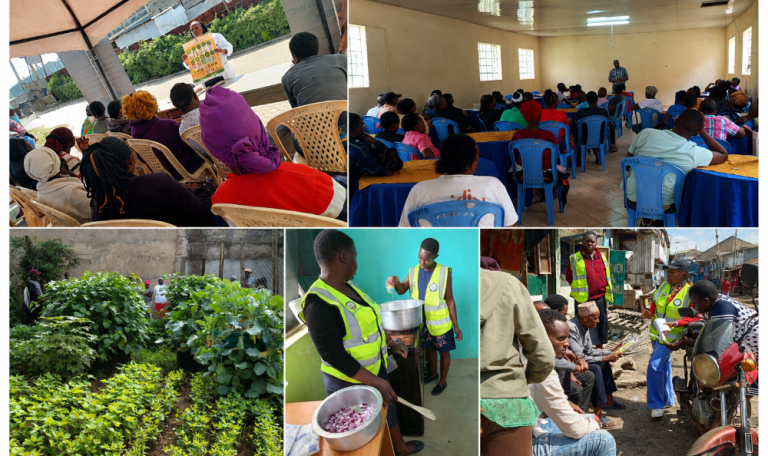
The Diabetes Awareness Trust (DAT) is making significant strides in preventing non-communicable diseases, promoting cardiovascular health, and improving the quality of life for those affected by high blood pressure and diabetes in Kenya. DAT is helping Kenyans lead longer, healthier lives y emphasizing the importance of accurate blood pressure measurement, early detection, and community education,
On World Hypertension Day, let us commit to knowing our numbers, recognizing the signs of hypertension, and taking action before complications arise. Through education, routine screening, and lifestyle change, we can reduce the burden of hypertension across Kenya one blood pressure reading at a time.
.